
Are you worried about pain during tooth extraction or dental treatment? The Spix notch anesthesia technique is an effective pain relief method, making the treatment process gentler and more comfortable. So, what is Spix notch anesthesia? How is it performed? How long does the numbness last? Insights from Dr. Nguyen Ngoc Tan – Specialist in Odonto-Stomatology at Saigon Center Dental Clinic will help answer these questions for you!
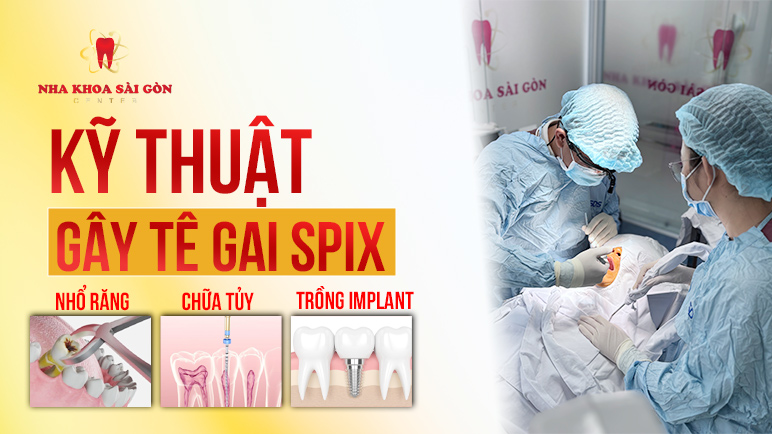
What is the Spix Notch Anesthesia Technique?
Patient comfort is a vital factor in dental treatment. When pain is eliminated, patients feel more secure and cooperate better, allowing doctors to operate precisely and improve the quality of treatment.
Therefore, in dental procedures, doctors often perform local anesthesia. Previously, this technique faced many difficulties due to limitations in anesthetic drugs and injection techniques. However, with modern technology, the Spix notch injection has become a standard, making the treatment process gentler, less painful, and safer.
What is Spix Notch Anesthesia?
Spix notch anesthesia (Inferior Alveolar Nerve Block – IANB) is a method of anesthetizing soft tissues, lower teeth, and gums, providing insensitivity to the lower jaw area. This technique blocks pain signals from the inferior alveolar nerve, ensuring the patient feels no pain during the treatment process.
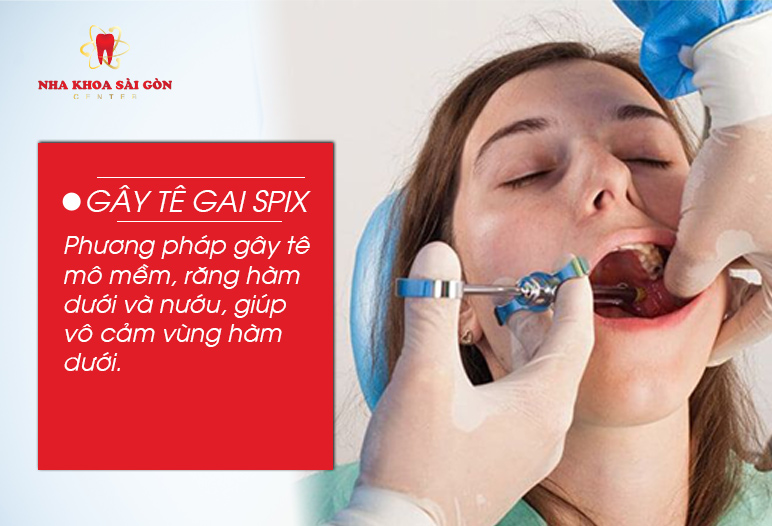
Current Spix Notch Anesthesia Techniques
Direct Spix Notch Anesthesia
This method is performed by inserting the needle directly into the Spix notch position, where the inferior alveolar nerve passes. When injected correctly, the anesthetic will block pain signals, leaving the patient completely without sensation in the lower jaw area during treatment.
Advantages:
- Fast effectiveness, deep anesthesia.
- Suitable for most cases of tooth extraction, root canal treatment, or dental surgery.
Limitations:
- If the position is not accurately identified, the drug may not achieve optimal effect.
- Can cause numbness to spread to the tongue and lower lip, causing temporary discomfort.
Indirect Spix Notch Anesthesia
This method is applied when direct anesthesia is not sufficiently effective. The doctor will adjust the injection position to deliver the drug near the nerve from a different angle, increasing the level of insensitivity without needing to re-inject too deeply.
Advantages:
- Increases anesthetic effectiveness if the first attempt did not reach the desired level.
- Reduces the risk of soft tissue damage from multiple injections.
Limitations:
- Requires an experienced doctor for accurate positioning.
- May take additional time for the anesthetic to take effect.
When direct anesthesia is not strong enough, for patients who are difficult to numb, or in complex treatment cases such as impacted wisdom tooth extraction or dental implants, doctors will combine both techniques to bring about optimal results.
The choice of method will depend on the patient’s specific condition and the doctor’s assessment. Whether it is direct or indirect anesthesia, the ultimate goal remains to help the patient stay pain-free and comfortable, ensuring the treatment process proceeds smoothly.
When is Spix Notch Anesthesia Necessary?
The Spix notch injection technique helps block pain signals from the inferior alveolar nerve, creating an insensitive effect for the lower jaw area. Therefore, this method is commonly applied in many dental treatment cases.
- Lower jaw tooth extraction, especially wisdom teeth, helps the extraction process take place more gently.
- Lower jaw root canal treatment, helps patients avoid sensitivity or discomfort.
- Periodontal minor surgery, dental implants, creates favorable conditions for the doctor to operate accurately.
- Teeth preparation for crowns, helps patients feel more comfortable throughout the procedure.
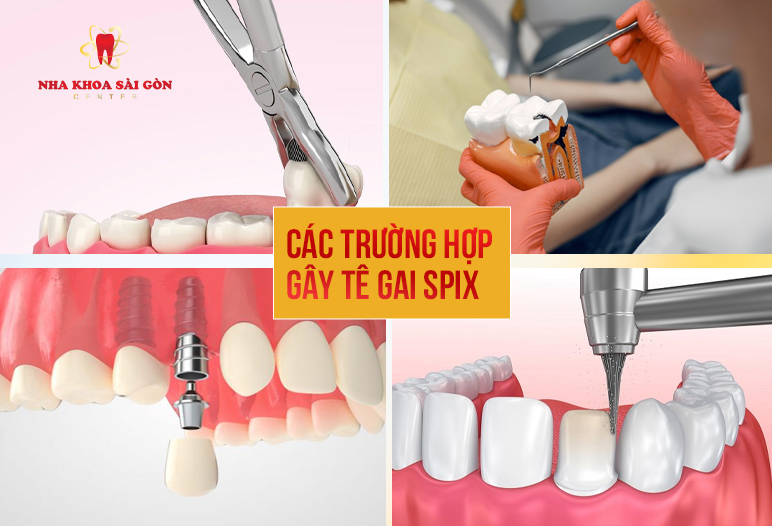
Depending on each case and treatment goal, the doctor will determine the appropriate Spix notch anesthesia position. Correct technical execution will help the patient feel comfortable, minimize pain, and bring higher treatment efficiency.
Procedure for Performing Spix Notch Anesthesia
With an accurate procedure and the doctor’s skill, this technique helps patients feel comfortable, minimizes aches, and ensures the treatment process runs smoothly. Careful preparation will enhance the success rate of the treatment case.
Step 1: Preparation Before Execution
Before starting, the doctor explains the anesthesia technique so the patient feels at ease. Then, the patient is positioned correctly, and the injection area is disinfected to prevent infection.
Step 2: Identifying the Spix Notch Position
The doctor identifies the position of the Spix notch, usually located right on the path of the inferior alveolar nerve. The doctor gently pulls the patient’s cheek to create a clearer viewing space. Landmarks are checked to ensure the needle reaches the correct nerve position for anesthesia.
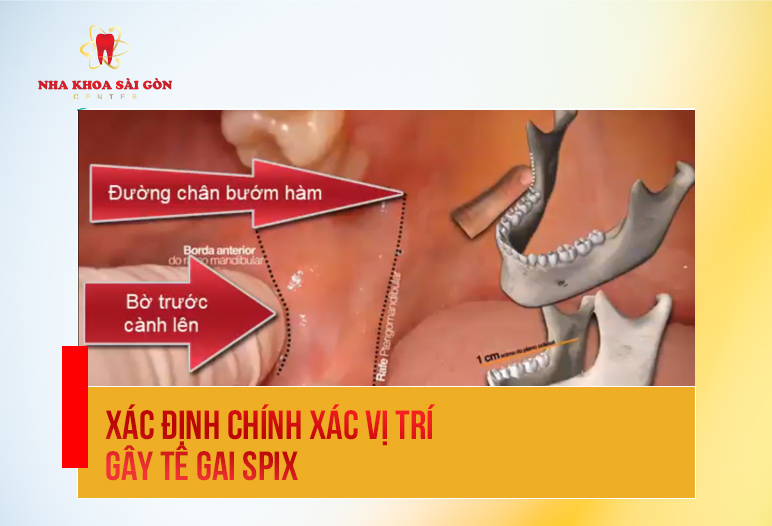
Step 3: Anesthetic Injection Technique
The doctor uses a needle to inject the anesthetic solution into the identified position, numbing the entire lower jaw within about 5-10 minutes. If the direct anesthesia technique is not effective, indirect Spix notch anesthesia can be used. After injection, the doctor checks the exact position to ensure insensitivity before treatment.
Step 4: Post-Anesthesia Monitoring
After the injection, the doctor checks if the patient has lost sensation in the lower jaw area before proceeding with the procedure.
How long does Spix notch anesthesia take to work? The Spix notch anesthesia technique usually takes about 5 – 10 minutes to perform. After injection, the anesthetic needs 3 – 5 minutes to take effect. The total time for anesthesia and waiting for the drug to be effective is about 10 – 15 minutes before treatment begins.
Difference Between Spix Notch Anesthesia and Local Infiltration Anesthesia
Both Spix notch anesthesia and local infiltration anesthesia are methods of providing insensitivity to help patients feel no pain during dental treatment. However, these two techniques have clear differences in scope of impact and execution.
| Criteria | Spix Notch Anesthesia | Local Infiltration Anesthesia |
| Anesthesia Site | Anesthetizes the inferior alveolar nerve at the Spix notch, numbing the entire half of the lower jaw (on the same side as the injection) | Only anesthetizes directly into the soft tissue or the area needing treatment |
| Scope of Insensitivity | Numbness of the lower lip, tongue, and teeth on the same side of the lower jaw | Only provides local anesthesia to the injection area |
| Application | Wisdom tooth extraction, lower root canal treatment, dental implants, periodontal minor surgery | Incisor extraction, gingivitis treatment, suturing minor wounds |
| Duration of Effect | Lasts 1 – 3 hours | Shorter, usually only 30 minutes – 1 hour |
| Invasiveness Level | Deeper intervention as it is injected near the main nerve | Less invasive as it is only injected into soft tissue |
Spix notch anesthesia is suitable for procedures requiring deep insensitivity in the lower jaw, especially for molars. Meanwhile, local infiltration anesthesia is appropriate for small, less painful interventions, often used in the incisor area or soft tissues. The choice of method will depend on the doctor’s indication, ensuring the patient is most comfortable during treatment.
Frequently Asked Questions
How long does the anesthetic last?
After Spix notch anesthesia, it will take about 3 – 5 minutes for the drug to take effect. The numb sensation usually lasts from 1 – 3 hours, depending on the type of drug used.
Does the anesthetic injection hurt?
The doctor will perform the injection slowly to reduce pain. You may feel a slight sting when the needle enters the soft tissue, but this sensation only lasts a few seconds. If you are anxious, take deep breaths and relax your body to reduce tension.
Is Spix notch anesthesia effective immediately?
If performed correctly, the anesthesia will provide complete insensitivity to the lower jaw area. However, in some cases, if the anesthesia is not deep enough, the doctor may supplement with indirect Spix notch anesthesia to increase effectiveness.
What is the sensation like after anesthesia?
You will feel numbness in the lower lip, tongue, and the half of the lower jaw on the injected side. As the anesthetic wears off, sensation will gradually return within 2 – 3 hours. If numbness persists after 4 – 6 hours, you should notify your doctor immediately.
Are there any side effects of anesthesia for tooth extraction?
Some possible side effects include:
- Prolonged numbness longer than normal (rare).
- Mild bruising or swelling at the injection site (subsides on its own after a few days).
- Temporary difficulty moving the lower lip.
If there are abnormal symptoms such as sharp pain that persists or numbness exceeding 24 hours, contact your doctor for an examination and handling.
Conclusion
Spix notch anesthesia is a technique that helps reduce pain effectively during tooth extraction, dental implants, and dental surgery. If you are about to have a wisdom tooth extracted or a dental implant, talk to your doctor about this technique to ensure the safest and most comfortable experience!
We hope the information above helps you better understand the Spix notch anesthesia injection technique, how it is performed, its benefits, and the differences compared to other anesthesia methods. If you have any questions or need further advice, do not hesitate to contact your doctor for a detailed explanation!


SAIGON CENTER DENTAL CLINIC
Best dentist in Vietnam
Saigon Center Dental Clinic is proud to be one of the most prestigious dental clinics in Ho Chi Minh City, offering a wide range of services including: single implants, full-arch implants (especially All-on-4, All-on-6, and Zygoma implants), aesthetic prosthetic crowns, porcelain laminates, orthodontics, clear aligners, dental fillings, wisdom tooth extraction, toothache treatment...
SAIGON DENTAL IMPLANTS CENTER
Best dentist in Vietnam
Saigon Implant Center - Dental Clinic utilizes the latest technology for specialized treatments in single implants, full-arch implants, All-on-4 implants, All-on-6 implants, and Zygoma implants...